
Tag Archive for: 2026 mortgage rate forecast

Homebuyer Mortgage Rates: Housing Market Predictions

2026 Homebuyer Mortgage Rates: What to Expect from Housing

As prospective homebuyers and homeowners closely monitor interest rate trends, homebuyer mortgage rates remain one of the most important factors shaping the housing market in 2026. According to a new forecast from Redfin, mortgage rates are expected to remain elevated compared to the historic lows seen during the pandemic. However, shifts in the broader economy and monetary policy could influence rate movement throughout the year.

Current Homebuyer Mortgage Rate Landscape

The average 30-year fixed mortgage rate for a home buyer ended 2025 near 6.3%, reflecting ongoing affordability challenges for buyers. While rates have cooled from their recent peaks, they remain significantly higher than the sub-4% mortgage rates many homeowners locked in during 2020 and 2021.

For buyers entering the market in 2026, today’s mortgage rates mean:

  • Higher monthly mortgage payments
  • Reduced purchasing power
  • Increased sensitivity to even small rate fluctuations

Because of this, monitoring mortgage rate trends has become essential for anyone planning to buy, refinance, or invest in real estate.

What You Will Learn When Reading This Article

  • Mortgage rates in 2026 are expected to remain elevated, with 30-year fixed rates likely hovering in the low-6% range rather than returning to pandemic-era lows.
  • Mortgage rate forecasts suggest any declines will be modest, even if the Federal Reserve cuts short-term interest rates.
  • Long-term mortgage rates are driven primarily by bond market trends, including 10-year Treasury yields and inflation expectations.
  • Higher mortgage rates will continue to impact home affordability, monthly payments, and refinancing decisions throughout 2026.

2026 Mortgage Rate Forecast

Economists suggest that mortgage rates may not decline dramatically in 2026, even if short-term interest rates are cut.

Many consumers assume mortgage rates move directly with Federal Reserve rate decisions. However, mortgage rates are more closely tied to:

  • 10-year Treasury yields
  • Inflation expectations
  • Economic growth forecasts
  • Investor demand in the bond market

Even if the Federal Reserve lowers the federal funds rate, long-term mortgage rates may only decline modestly. Redfin projects that rates could dip into the low-6% range at times, but a return to ultra-low pandemic-era rates is unlikely.

Why Federal Reserve Policy Still Matters

Although the Federal Reserve does not directly set mortgage rates, its monetary policy decisions strongly influence financial markets.

Fed policy affects:

  • Inflation outlook
  • Bond market yields
  • Investor confidence
  • Overall economic growth expectations

Changes in Fed leadership or policy direction in 2026 could introduce volatility, but mortgage rate movements will ultimately depend on broader market forces rather than rate cuts alone.

How Mortgage Rates Impact Home Affordability

Homebuyer mortgage rates have a direct impact on affordability. Even a 0.5% shift in a 30-year fixed mortgage rate can significantly change a borrower’s monthly payment.Explore the 2026 mortgage rate forecast, including 30-year homebuyer mortgage rate predictions, housing market trends, and what buyers should expect.
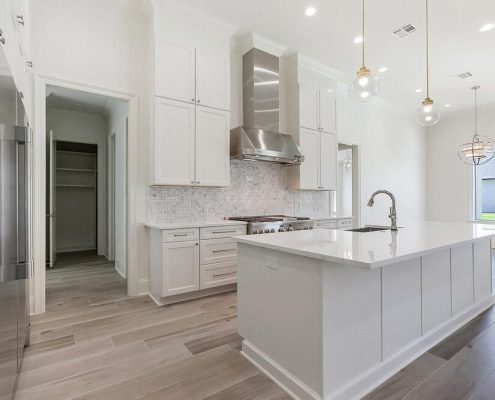
At rates above 6%, buyers face:

  • Higher total interest paid over the life of the loan
  • Tighter debt-to-income qualification limits
  • Reduced home price budgets

This environment may keep some homeowners “rate locked,” hesitant to sell because they currently hold mortgages with much lower interest rates. That dynamic could continue to constrain housing inventory in 2026.

2026 Mortgage Rate Outlook: What Buyers Should Watch

If you’re planning to purchase a home or refinance in 2026, keep an eye on:

  • 30-year fixed mortgage rate trends
  • 10-year Treasury yield movements
  • Inflation data releases
  • Federal Reserve policy announcements

Small movements in mortgage rates can significantly affect borrowing costs, making timing and lender comparison increasingly important.

Key Takeaways

  1. Mortgage rates are expected to remain elevated in 2026.
  2. Large rate drops are unlikely, even if short-term rates decline.
  3. Bond market dynamics will continue to drive long-term mortgage rates.
  4. Affordability challenges will persist for many buyers.

For homebuyers and homeowners alike, understanding the 2026 mortgage rate forecast is critical to making informed real estate and refinancing decisions.

 

Click Here for the Source of the Information.

Buying a Home in 2026 – Housing Market Outlook

2026 Housing Market Outlook: What Homebuyers Should Expect

As we move into 2026, the U.S. housing market outlook shows gradual improvement for buyers. While affordability challenges remain, experts predict easing mortgage rates, slower home price growth, and increased housing inventory — all important factors for anyone planning on buying a home.

If you’re preparing to enter the market, understanding these trends can help you make informed decisions.

What You Will Learn When Reading This Article

  • Mortgage rates are expected to ease slightly in 2026, with forecasts projecting 30-year fixed rates in the low-6% range — improving affordability for homebuyers.
  • Home price growth is projected to slow to around 1–2% nationally, reducing the rapid appreciation seen in recent years.
  • Housing inventory may improve modestly, giving buyers more options and slightly stronger negotiating power.
  • Overall market conditions could become more balanced, making 2026 a potentially better year for buying a home compared to the volatility of prior years.

Mortgage Rates in 2026: Modest Relief for Buyers

Mortgage rates are expected to decline slightly in 2026 compared to previous years. Forecasts suggest the average 30-year fixed mortgage rate may settle in the low-6% range.

While that is still higher than the historic lows seen in 2020–2021, even a small drop in mortgage rates can significantly improve home affordability. A lower rate increases your buying power, reduces monthly payments, and can save tens of thousands of dollars over the life of a loan.

What this means for homebuyers:
If rates trend downward, the housing market outlook predicts buyers who secure financing early may benefit from improved affordability before competition intensifies.Planning to buy a home in 2026? See mortgage rate forecasts, home price predictions, and the housing market outlook to guide your decision.

Home Price Growth Expected to Slow

Home prices are projected to continue rising in 2026, but at a much slower pace. National forecasts estimate price growth could fall to roughly 1%–2% annually, compared to the rapid increases seen earlier in the decade.

Slower price growth can ease pressure on buyers, allowing more time for decision-making and potentially strengthening negotiating power.

For buyers buying a home:
Moderating home prices combined with lower mortgage rates could create a more balanced housing market, particularly for first-time homebuyers who have struggled with affordability.

Increased Home Sales and Buyer Activity

As borrowing costs stabilize and affordability improves, more buyers are expected to return to the market. Analysts project a modest increase in home sales in 2026 as consumer confidence improves.

However, increased buyer activity could also bring more competition. If demand rises faster than inventory, certain local markets may still experience bidding pressure.

Strategy tip:
Getting pre-approved for a mortgage before beginning your home search will position you competitively if activity increases.

Housing Inventory and Market Conditions

One ongoing challenge has been limited housing supply. In 2026, inventory levels are expected to improve slightly, though not dramatically. Many current homeowners remain locked into lower mortgage rates and may be reluctant to sell.

That said, even modest inventory growth could give buyers more options than in recent years.

What to watch:
Local market conditions matter more than national averages. Buyers should monitor inventory levels, price trends, and days on market in their specific city or region.

Is 2026 a Good Year for Buying a Home?

While no year is perfect for buying real estate, 2026 could present better opportunities than the peak volatility seen in prior years. Key factors working in buyers’ favor include:

  • Slightly lower mortgage rates
  • Slower home price appreciation
  • Gradual improvement in housing inventory
  • Increased negotiating potential

For prospective homeowners, preparation remains critical. Strengthening your credit score, saving for a down payment, reducing debt, and comparing mortgage lenders can significantly improve your purchasing power.

Final Thoughts for Home Buyers

The 2026 housing market forecast suggests cautious optimism. While affordability challenges have not disappeared, improving mortgage rates and moderating home prices may create a more stable environment for buying a home.

If you are planning to purchase property in 2026, consider starting early. Get pre-approved, define your budget, and monitor the local housing market outlook so you can act confidently when the right opportunity appears.


Click Here for the Source of the Information.