
Potential New Development in Algiers Point
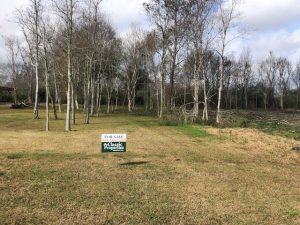
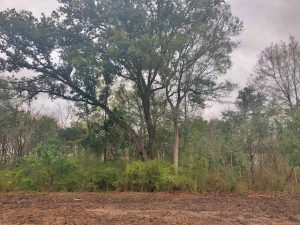 Algiers Point although part of New Orleans is located across the Mississippi River from the Crescent City. The unique historic neighborhood is connected to downtown by the Algiers Point-Canal Street Ferry. Home of jazz artists Kid Valentine and Papa Celestine, the neighborhood has much history. That’s why it is no surprise that there is interest in a potential 11 1/2 acre lot to be developed into residential and commercial use.
There is one drawback however that could detour the development of coming to fruition. The property is a contaminated site and has been study tested with three sets of environmental assessments over the past 14 years. The first assessment, all done under the state’s rules for redevelopment of contaminated sites, was in 2006 and found tires, fuel tanks and trash on the site. The ten borings done found a contaminated spot with levels of lead and diesel fuel that was too high to be used for residential development. Another test was done in 2011 and the soil tested did not have to be handled as hazardous waste. Forty-seven tons were removed and disposed of at the River Birch landfill in Waggaman. In 2012 it was once again tested and found okay but then in 2019, a new investigation revealed elevated levels of hydrocarbons and heavy metals.
The current owner, Algiers developer David B. Kaufman, wants to remove all of the contaminated soil. This includes diesel fuel remains, lead, arsenic, antimony and small amounts of other volatile organic materials. Luckily the contamination is found only in three different locations on the property.
In order for the property to be cleared, they will need to take approximately 300 cubic feet of soil from a 10-foot by 10-foot by 3-foot deep hole in all three locations. The Department of Environmental Quality initially approved the “voluntary remedial action plan” but will also take public concerns and questions under consideration.
Once the final approval goes through, the soil that will be collected from the three different locations and will be tested to determine if it needs to be disposed of as hazardous waste. If it does not, the soil will be disposed of at River Birch. It will take about 30 days to complete the process and final report. If all goes as planned, it will take about 15 days to prep the site, 5 days to remove the sole and the remaining time will be given to preparing the final report.
 The property that sits between Opelousas and Thayer avenues and Eliza and Atlantic streets was a working part of the Southern Pacific Railroad. The 22-block-long railyard complex employed around 4,000 workers who built steam locomotives and other rail parts. During its operation, Southern Pacific locomotives and railcars were transported by a barge ferry from downtown New Orleans to Algiers. Once transported, they were reconnected before moving on to western states.
Kaufman wants to go ahead with the clean up so he will be able to sell to a developer. He has tried several times to sell the property but the deals have fallen through because of the contamination. There has been renewed interest in the site so the clean up is a must in order to sell.
“There are two new groups that are considering offers,” he said.
Click Here For the Source of the Information.
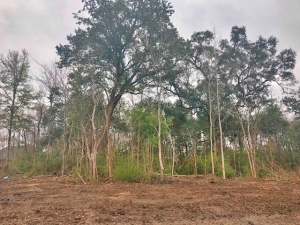 Parks are an important part of any community. They are a great way for residents to enjoy the outdoors and come together. Plaquemines Parish has received the distinguished state Community Achievement Award that is given by the Louisiana Municipal Association to proceed with the parish’s park renovations.
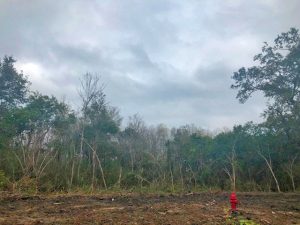 The Commissary, a new addition to
 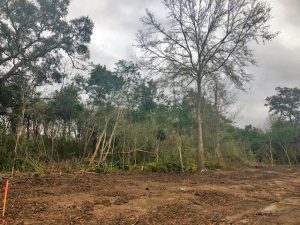 The economy is questionable during current times but the traffic from home buyers is on the rise. According to Zillow, more buyers are actively looking for homes online than they were this time a year ago.
 The Great Recession from 2008 brought hardship to the housing market. Many Americans were hit with financial hardships, lost homes and jobs. The Great Recession stemmed from the housing and mortgage crisis. Today, the housing market is under pressure with the economic slowdown from COVID-19. Although we are facing a challenge today, there are several differences between today’s housing market and the housing market in 2008.